
Craniosacral therapy for pediatric chiropractic care is a gentle and effective approach to address various health concerns in children. It involves the use of light-touch techniques to evaluate and enhance the functioning of the craniosacral system, which includes the membranes and fluids surrounding the brain and spinal cord. This therapy can be particularly beneficial for infants and children, promoting overall health and well-being.
Key Takeaways
- Craniosacral therapy (CST) is a light-touch therapy used to improve the craniosacral system in children.
- It can address conditions like colic, ear infections, and developmental issues.
- CST is performed by trained chiropractors and is considered safe and effective for pediatric care.
- Parents often report significant improvements in their children’s health and behavior after CST sessions.
Understanding Craniosacral Therapy in Pediatric Care
What is Craniosacral Therapy?
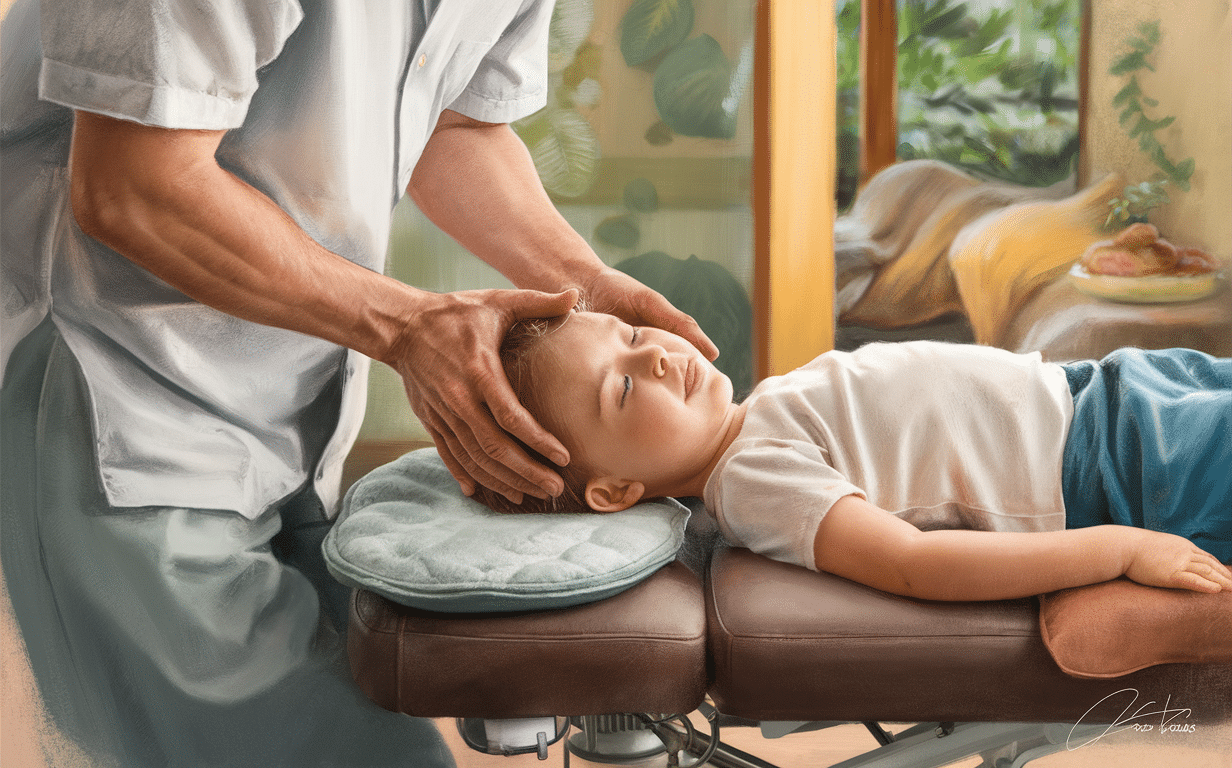
Craniosacral therapy (CST) is a holistic treatment that focuses on relieving tension and improving the function of the craniosacral system. This system includes the cranial bones, spinal column, and sacrum, along with the membranes and cerebrospinal fluid that protect and nourish the brain and spinal cord.
The Role of Chiropractic Care in CST
Chiropractors trained in CST use gentle, hands-on techniques to manipulate the craniosacral system. These adjustments aim to release restrictions and improve fluid movement, which can enhance overall health and well-being in children.
Benefits of Craniosacral Therapy for Children
Addressing Common Pediatric Conditions
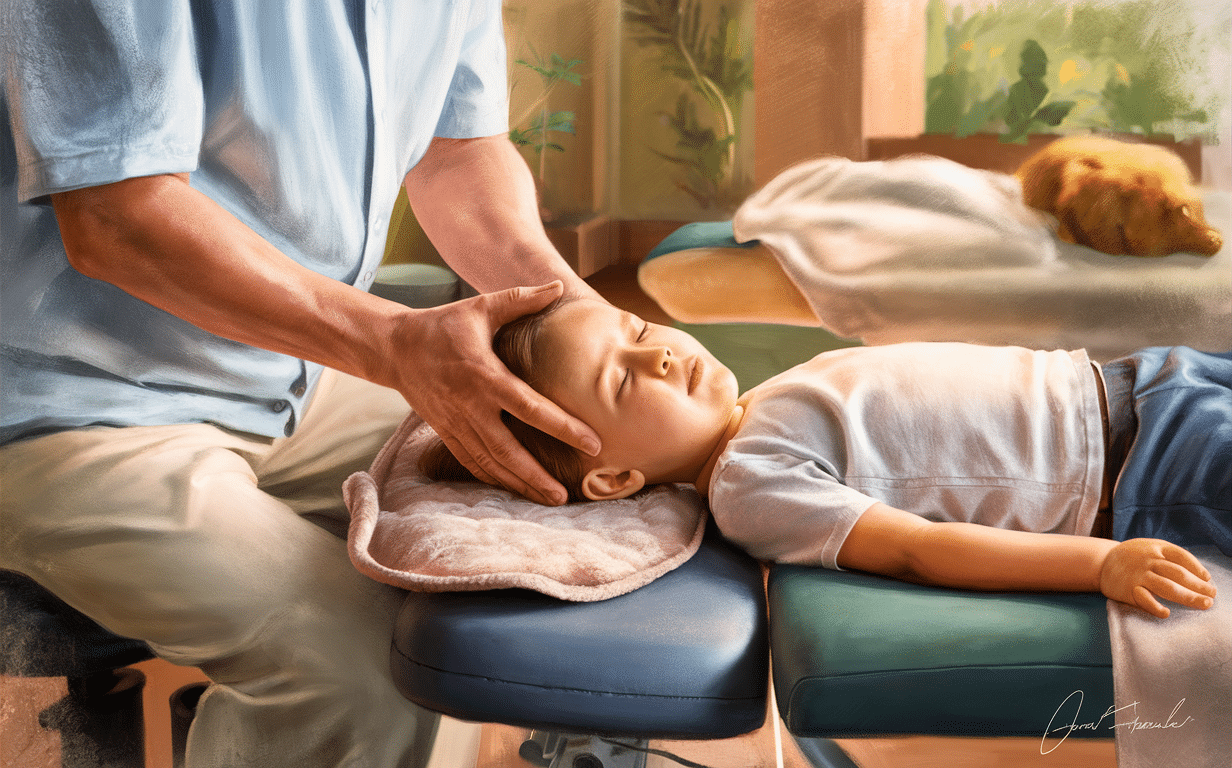
CST can help manage a variety of conditions in children: – Colic: Alleviating discomfort and reducing crying spells. – Ear Infections: Promoting drainage and reducing inflammation. – Developmental Delays: Supporting neurological function and development. – Sleep Issues: Improving sleep patterns and quality.
Enhancing Overall Health
Parents often notice improvements in their child’s immune function, behavior, and general comfort. CST can also help reduce stress and promote relaxation, which is crucial for growing children.
The Science Behind Craniosacral Therapy
How CST Works
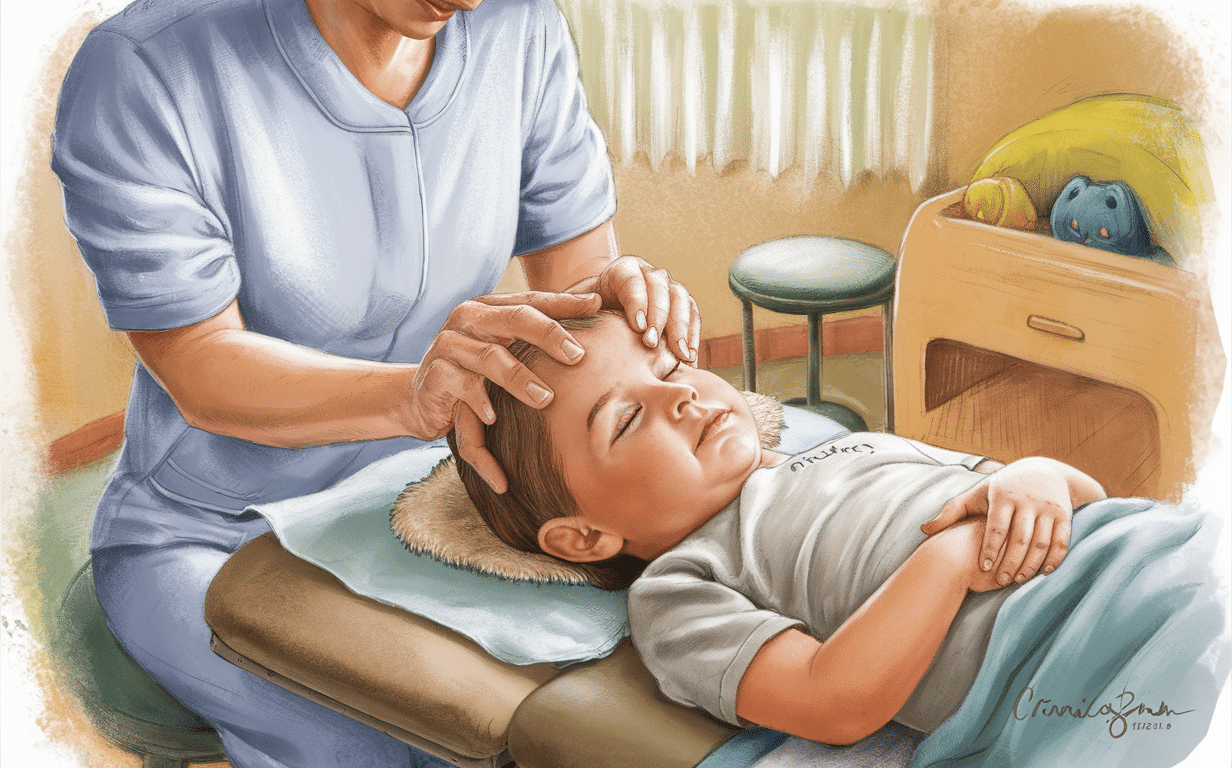
CST involves gentle manipulations to assess and adjust the craniosacral system. Practitioners look for areas of restriction or tension and use light pressure to release these areas, promoting better fluid movement and neurological function.
Research and Evidence
Studies have shown that CST can be effective in reducing symptoms of various conditions. While more research is needed, many practitioners and parents report positive outcomes from CST treatments.
What to Expect During a CST Session
Initial Assessment
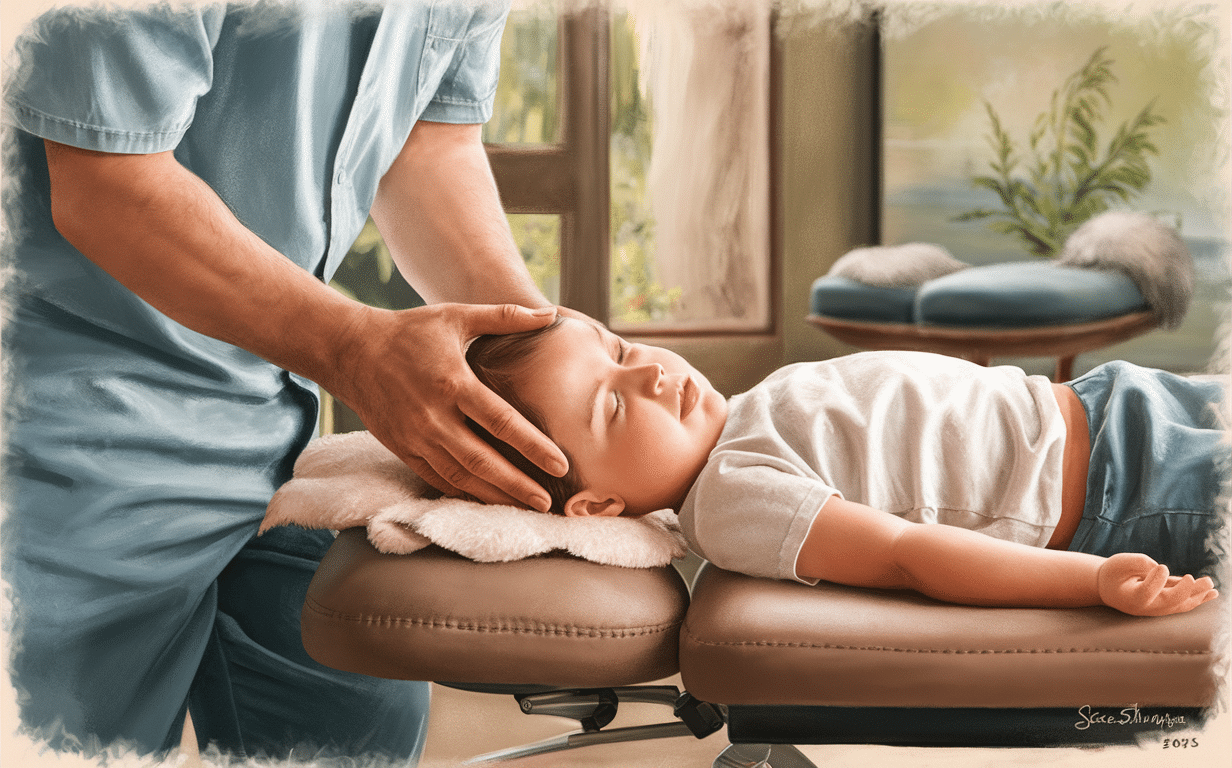
A typical CST session begins with a thorough assessment of the child’s health history and current condition. The chiropractor will then perform a gentle examination of the craniosacral system.
Treatment Process
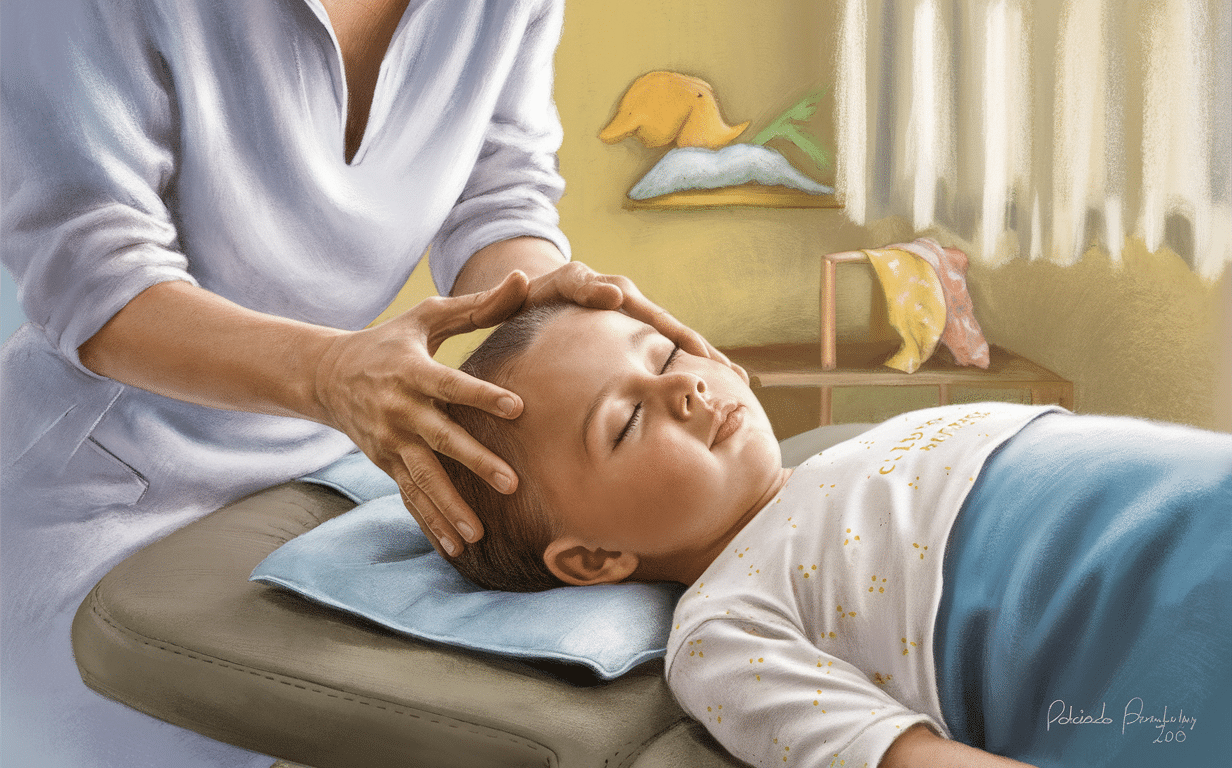
The treatment involves light-touch techniques to adjust and balance the craniosacral system. Sessions are usually relaxing and non-invasive, making them suitable for even the youngest patients.
Real-Life Experiences with Pediatric CST
Common Questions from Parents
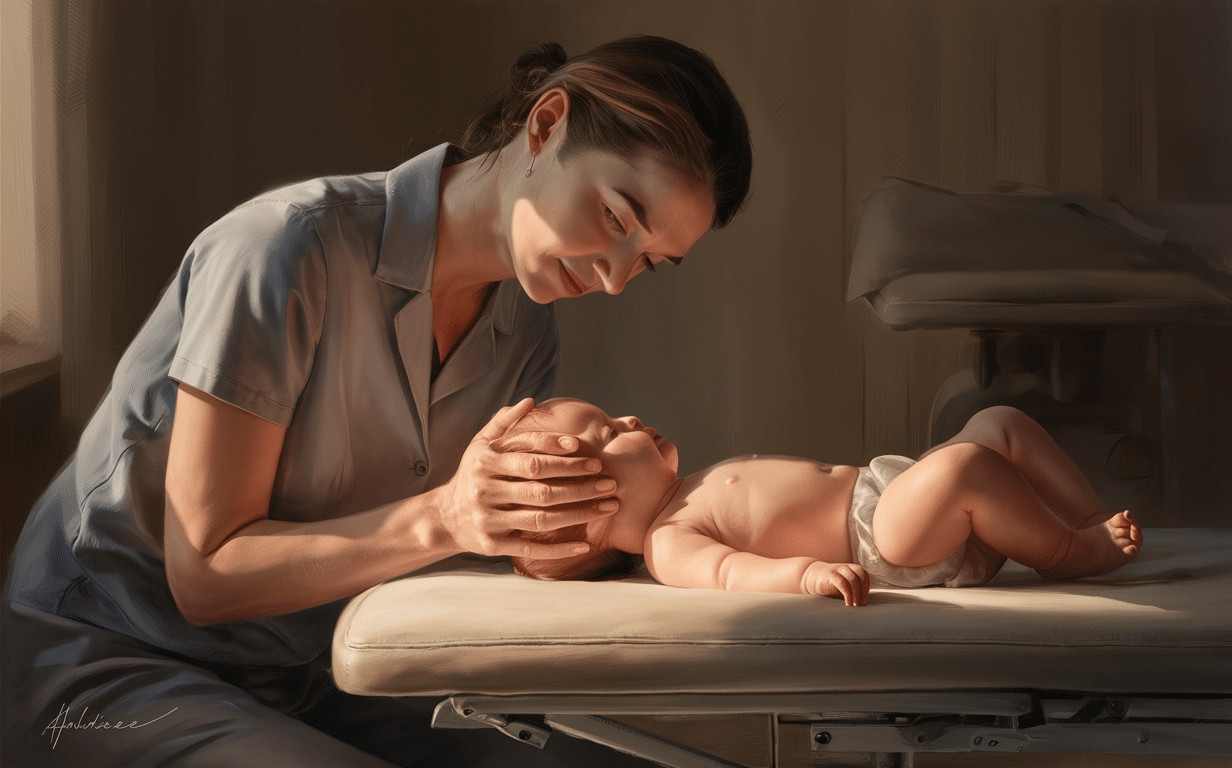
- Is CST safe for infants? Yes, CST is gentle and safe for infants and children.
- How many sessions are needed? The number of sessions varies depending on the child’s condition, but many parents see improvements within a few treatments.
Comparing CST to Other Pediatric Treatments
Traditional Chiropractic Care vs. CST
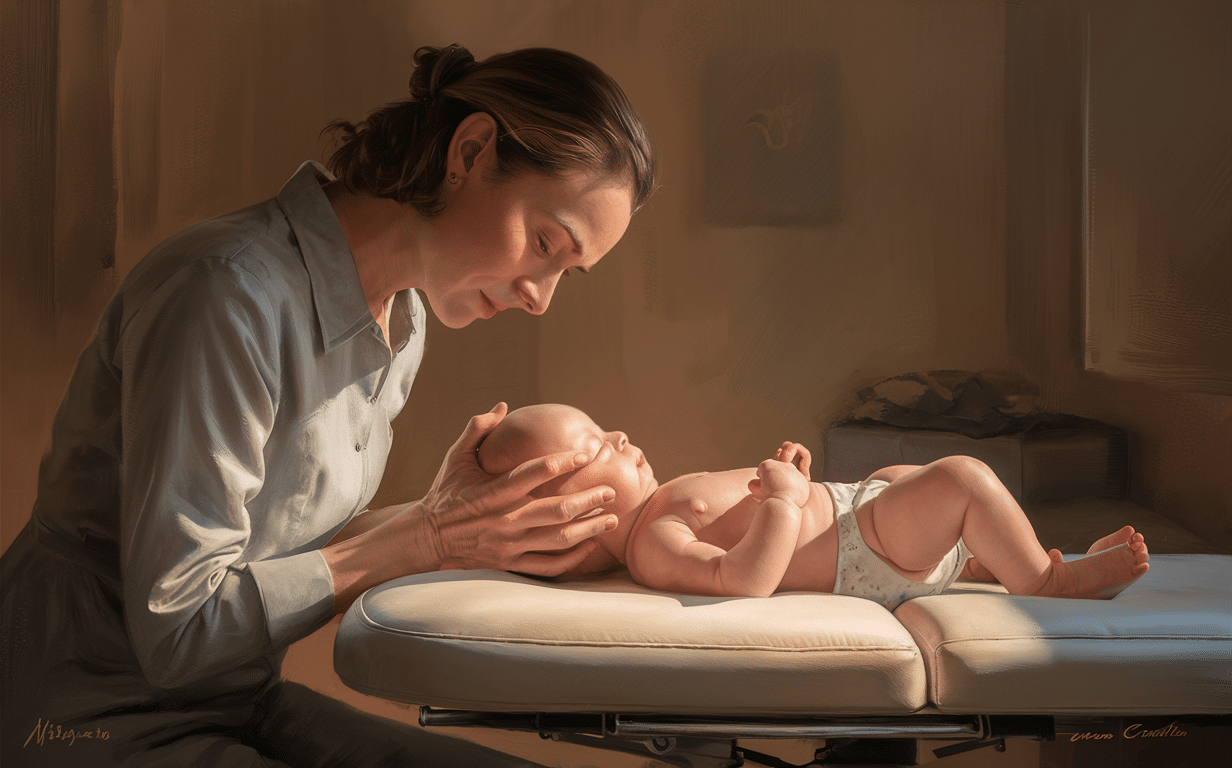
While traditional chiropractic care involves spinal adjustments, CST focuses on the craniosacral system. Both approaches can be beneficial, but CST is particularly suited for gentle treatment of pediatric conditions.
CST vs. Medical Interventions
CST offers a non-invasive alternative to medical treatments for conditions like colic and ear infections. It can be used alongside traditional medical care to enhance overall health outcomes.
Differences Between Traditional Chiropractic Care and CST
| Feature | Traditional Chiropractic Care | Craniosacral Therapy (CST) |
|---|---|---|
| Technique | Spinal Adjustments | Light-touch craniosacral adjustments |
| Focus Area | Spine and nervous system | Craniosacral system (brain, spinal cord) |
| Common Conditions Treated | Back pain, neck pain, headaches | Colic, ear infections, developmental delays |
| Suitability for Children | Moderate | High |
| Invasiveness | Moderate | Low |
How to Choose a Qualified CST Practitioner
Credentials and Training
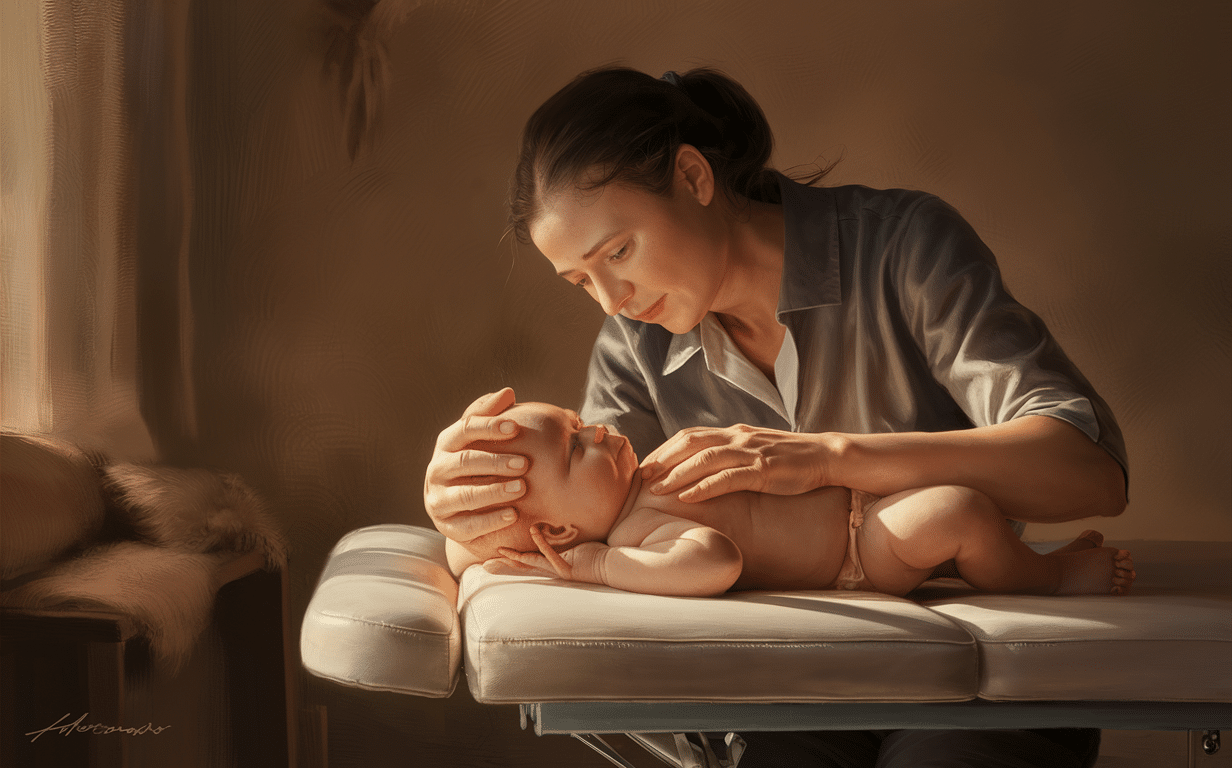
Ensure that the chiropractor has specialized training in craniosacral therapy. Look for practitioners who are certified and have experience working with children.
Personal Referrals and Reviews
Ask for referrals from other parents or read online reviews to find a reputable practitioner. Personal experiences can provide valuable insights into the effectiveness of the treatment.
Potential Risks and Considerations
Safety of CST
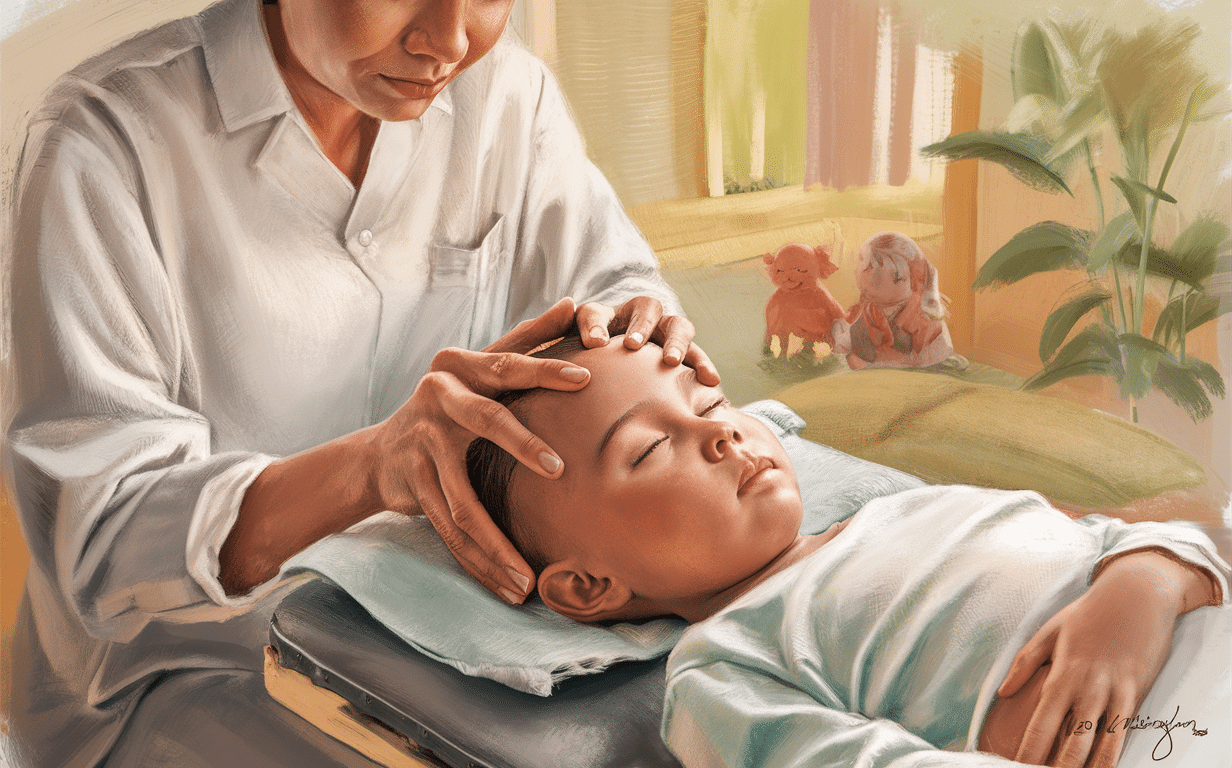
CST is generally considered safe for children. However, it’s important to choose a qualified practitioner to ensure the best outcomes.
When to Avoid CST
In rare cases, CST may not be suitable for children with certain medical conditions. Always consult with a healthcare provider before starting any new treatment.
Conditions Treated by CST and Traditional Chiropractic Care
| Condition | Craniosacral Therapy (CST) | Traditional Chiropractic Care |
|---|---|---|
| Colic | ✓ | ✗ |
| Ear Infections | ✓ | ✓ |
| Developmental Delays | ✓ | ✓ |
| Back Pain | ✗ | ✓ |
| Neck Pain | ✗ | ✓ |
| Headaches | ✓ | ✓ |
List: Tips for Parents Considering CST for Their Children
- Consult with your pediatrician before starting CST to ensure it’s appropriate for your child’s condition.
- Research potential practitioners and choose someone with experience in pediatric care.
- Monitor your child’s progress and communicate with the practitioner about any concerns or improvements.
- Combine CST with other treatments if needed, to provide comprehensive care for your child.
- Be patient and consistent with treatments, as some conditions may take several sessions to show improvement.
Observations from Practitioners
Feedback from CST Practitioners
Many CST practitioners have observed significant improvements in their pediatric patients. Common feedback includes better sleep patterns, reduced symptoms of colic, and enhanced overall well-being.
Importance of Follow-Up Care
Regular follow-up sessions can help maintain the benefits of CST. Practitioners often recommend periodic treatments to ensure ongoing health and development.
Key Takeaways
Craniosacral therapy for pediatric chiropractic care is a gentle, effective treatment that can address a range of conditions in children. By focusing on the craniosacral system, CST promotes better fluid movement, neurological function, and overall health. Parents often report significant improvements in their children’s well-being after CST sessions.
Conclusion
Craniosacral therapy offers a unique and valuable approach to pediatric chiropractic care. With its gentle techniques and focus on the craniosacral system, CST can help manage conditions like colic, ear infections, and developmental delays. By choosing a qualified practitioner and combining CST with other treatments if needed, parents can provide comprehensive care for their children. If you’re considering CST for your child, consult with your healthcare provider and explore this gentle yet effective therapy to support your child’s health and well-being.
For more information or to schedule an appointment, visit Neu Life Chiropractic or contact us at (281) 255-3500.