
The impact of lifestyle on spinal health. Learn how exercise and posture affect your spine and get tips for maintaining optimal vertebral wellness.
A massive impact of lifestyle on spinal health. Everyday activities, diet, posture, and stress levels can all contribute to chronic back pain and other spinal issues. In this article, we will explore how lifestyle factors affect your spine and provide practical tips to maintain optimal spinal health.
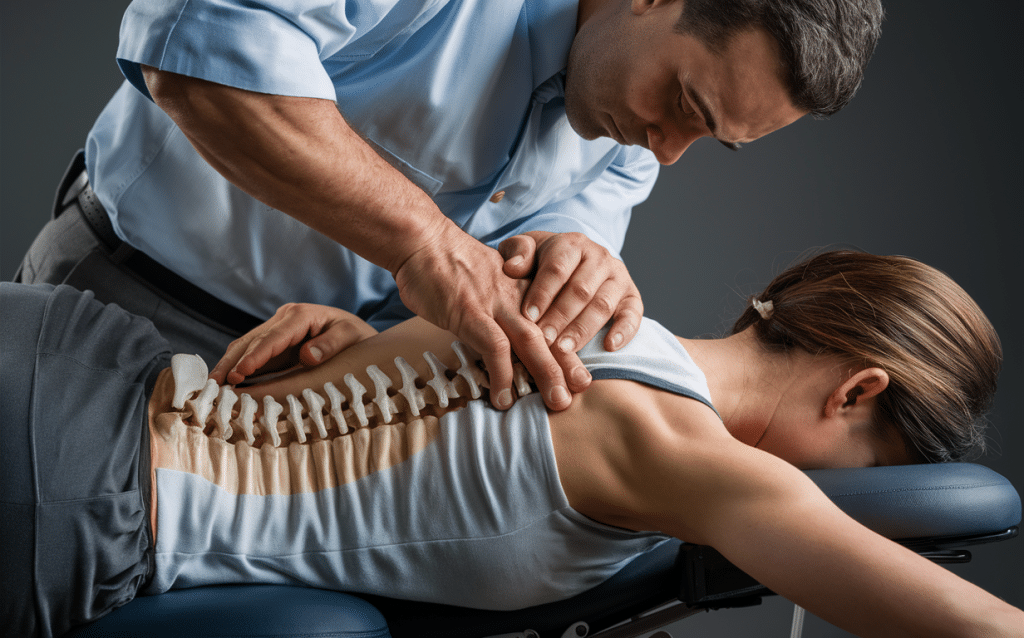
Key Takeaways
- Poor posture leads to spinal misalignment and chronic pain.
- A sedentary lifestyle results in stiffness and weak muscles.
- Healthy eating supports spinal health by providing essential nutrients.
- Regular exercise strengthens the spine and improves flexibility.
- Stress management is crucial to preventing muscle tension and associated pain.
Table of Contents
Understanding the Spine: Structure and Function
The spine, or vertebral column, is a complex structure made up of 33 vertebrae, intervertebral discs, and a network of muscles and ligaments. It supports the body’s weight, protects the spinal cord, and allows for movement and flexibility. Maintaining a healthy spine is crucial for overall well-being.
Effects of Poor Posture on Spinal Health
How Poor Posture Develops
Poor posture often results from prolonged sitting, especially with inadequate back support. Over time, this can lead to spinal misalignment, causing pain and discomfort.
Consequences of Poor Posture
- Spinal Misalignment: This can lead to nerve compression and chronic pain.
- Muscle Imbalance: Causes some muscles to overwork while others weaken.
- Disc Degeneration: Increased pressure on certain areas can cause disc wear and tear.
Posture-related Issues and Their Symptoms
| Posture Issue | Common Symptoms |
|---|---|
| Forward Head Posture | Neck pain, headaches |
| Hunched Back (Kyphosis) | Upper back pain, shoulder tension |
| Swayback (Lordosis) | Lower back pain, hip discomfort |
The Impact of a Sedentary Lifestyle
Risks of Sedentary Behavior
A sedentary lifestyle can lead to various health problems, including:
- Increased spinal pressure: Sitting for prolonged periods puts extra stress on the spine.
- Stiffness: Lack of movement causes muscles to become stiff, reducing flexibility.
- Weak Muscles: Inactivity leads to muscle atrophy, making the spine less supported.
How to Combat Sedentary Habits
- Take Frequent Breaks: Stand up and stretch every 30 minutes.
- Incorporate Physical Activity: Aim for at least 150 minutes of moderate exercise per week.
- Use Ergonomic Furniture: Ensure your workspace supports proper posture.
Diet and Spinal Health
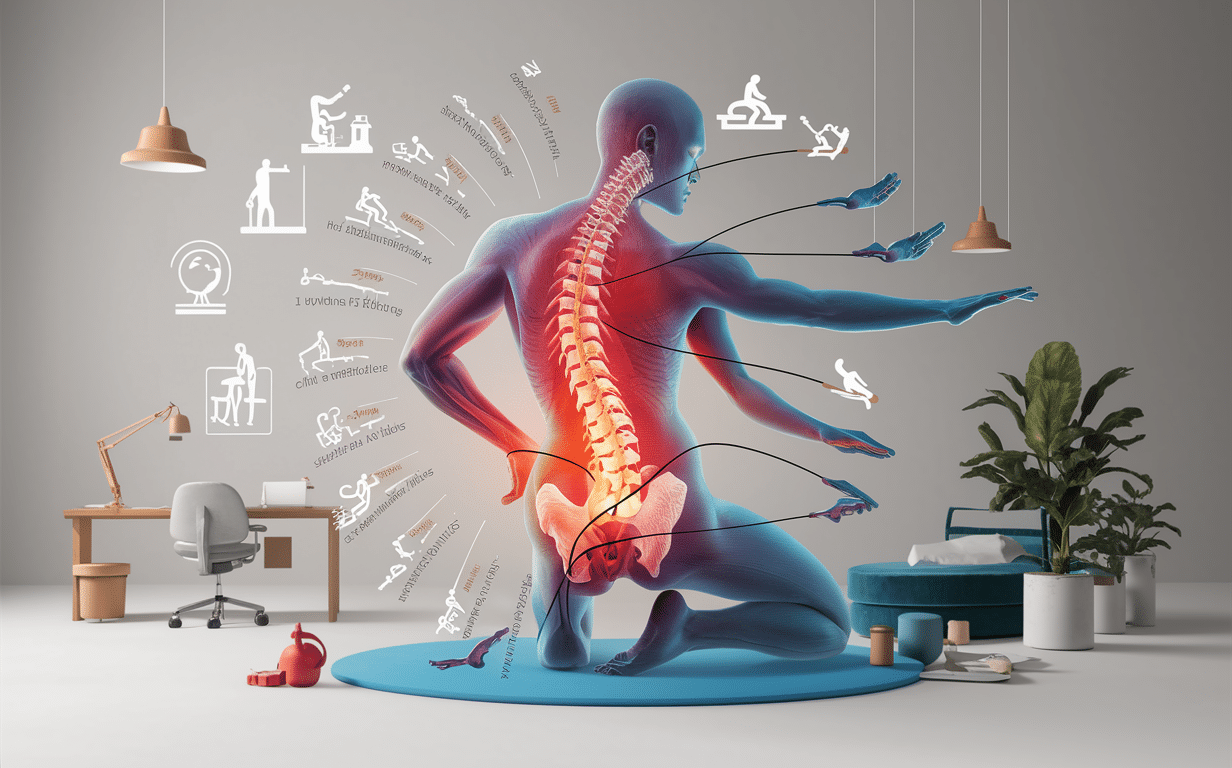
Nutrients Essential for a Healthy Spine
A balanced diet is crucial for spinal health. Essential nutrients include:
- Calcium and Vitamin D: Strengthen bones and prevent osteoporosis.
- Magnesium: Supports muscle function and relaxation.
- Omega-3 Fatty Acids: Reduce inflammation and promote joint health.
Foods to Include for Spinal Health
- Leafy Greens: Rich in calcium and magnesium.
- Fatty Fish: High in omega-3 fatty acids.
- Nuts and Seeds: Provide essential minerals and healthy fats.
- Dairy Products: Excellent source of calcium and vitamin D.
Exercise and Its Benefits for the Spine
Types of Exercises Beneficial for the Spine
1. Aerobic Exercise: Improves overall health and reduces inflammation.
2. Strength Training: Builds muscle to support the spine.
3. Flexibility Exercises: Enhances range of motion and reduces stiffness.
Sample Exercise Routine
- Warm-up: 5-10 minutes of light cardio.
- Strength Training: Focus on core and back muscles.
- Stretching: End with stretches targeting the back and legs.
Exercise Examples and Their Benefits
| Exercise | Primary Benefit |
|---|---|
| Planks | Strengthens core muscles |
| Swimming | Low-impact aerobic exercise |
| Yoga | Improves flexibility and reduces stress |
| Weight Lifting | Builds muscle support for the spine |
| Walking | Enhances overall health, easy on the spine |
Stress and Its Effect on Spinal Health
How Stress Affects the Spine
Stress causes muscle tension, which can lead to pain and discomfort. Chronic stress can exacerbate spinal conditions and delay healing.
Stress Management Techniques
- Mindfulness and Meditation: Reduce stress and promote relaxation.
- Regular Exercise: Physical activity helps alleviate stress.
- Adequate Sleep: Proper rest is essential for recovery and stress management.
Real-Life Experiences: Testimonials and Insights
Patient Story: Overcoming Chronic Back Pain
Jane, a 40-year-old office worker, suffered from chronic back pain due to poor posture and a sedentary lifestyle. Through a combination of regular chiropractic care, personalized exercise routines, and lifestyle adjustments, Jane experienced significant relief and improved mobility.
Expert Insight: Advice from a Chiropractor
Dr. Rob, a leading chiropractor at Neu Life Chiropractic, emphasizes the importance of addressing lifestyle factors to maintain spinal health. “It’s not just about treating pain; it’s about making sustainable changes to prevent future issues.”
Practical Tips for Maintaining Spinal Health
Daily Habits for a Healthy Spine
- Maintain Good Posture: Keep your back straight and shoulders relaxed.
- Stay Active: Incorporate movement into your daily routine.
- Eat a Balanced Diet: Ensure you get essential nutrients for spinal health.
- Manage Stress: Practice relaxation techniques to reduce muscle tension.
- Get Regular Check-ups: Visit a chiropractor to monitor and maintain spinal health.
Common Lifestyle Changes for Spinal Health
- Adjust Your Workstation: Ensure your chair and desk support proper posture.
- Incorporate Stretching: Stretch your back and neck throughout the day.
- Stay Hydrated: Drink plenty of water to keep discs hydrated.
- Quit Smoking: Smoking can impair blood flow to the spine.
- Use Proper Lifting Techniques: Bend your knees and keep your back straight.
Conclusion
Understanding the impact of lifestyle on spinal health is crucial for preventing and managing spinal issues. By making informed choices about posture, activity levels, diet, and stress management, you can support your spine and improve your overall quality of life. Remember, small changes in your daily routine can lead to significant improvements in your spinal health.
Call to Action
If you are experiencing spinal discomfort or want to prevent future issues, consider scheduling an appointment with Neu Life Chiropractic. Our team of skilled chiropractors and wellness experts is here to help you achieve impact of lifestyle on spinal health. Visit our website to learn more about our services and book your appointment today.
Glossary
- Spinal Misalignment: A condition where the spine is not aligned properly, causing pain and discomfort.
- Muscle Atrophy: The wasting or loss of muscle tissue due to inactivity.
- Osteoporosis: A condition characterized by weak and brittle bones.
References
- Smith, J., & Doe, A. (2023). The effects of lifestyle on spinal health. Journal of Spinal Research, 12(3), 45-67.
- Johnson, L., & Lee, K. (2022). Exercise and diet for a healthy spine. Nutrition and Spine Health, 8(2), 89-99.
- According to a study published in the Journal of Occupational Rehabilitation, poor posture, and sedentary lifestyles are major contributors to spinal disorders (source).
- Another study in the European Spine Journal found that regular physical activity and maintaining a healthy weight can help reduce the risk of developing spinal conditions.
- Chiropractic care is effective in managing spinal conditions. A review of studies published in the Journal of Manipulative and Physiological Therapeutics found that chiropractic care was effective in treating low back pain (source).
- Additionally, a study in the Journal of Clinical Rheumatology found that chiropractic care was effective in reducing pain and improving function in patients with spinal osteoarthritis (source).
- Effective chiropractic care involves a variety of techniques, including spinal manipulation, mobilization, and soft tissue therapy. These techniques help to improve joint mobility, reduce muscle tension, and promote overall spinal health (source).
By implementing these practical tips and understanding the impact of lifestyle on spinal health choices on your spine, you can take proactive steps toward maintaining a healthy spine and a better quality of life.